
How to Clean and Maintain a Vintage Marble Rolling Pin
2026-01-11 18:29:12
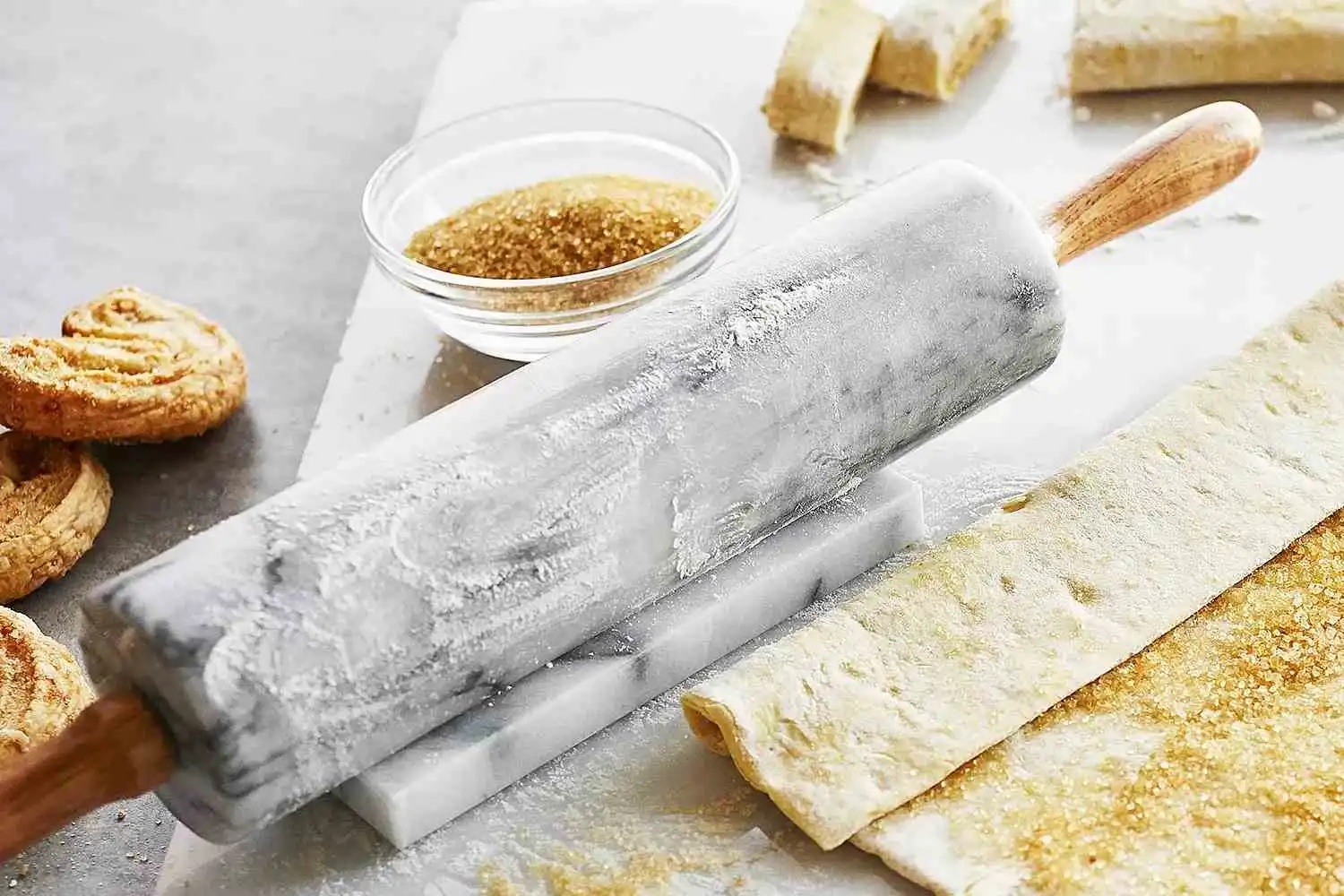
A vintage marble rolling pin is not just a practical kitchen tool; it's a piece of culinary history that deserves proper care and maintenance. These elegant instruments, often passed down through generations, offer superior functionality and aesthetic appeal. Crafted from high-quality marble, they provide a naturally cool surface ideal for working with temperature-sensitive doughs. The weight and smooth texture of a vintage marble rolling pin ensure even pressure distribution, resulting in perfectly rolled pastry every time. However, to preserve its beauty and functionality, it's crucial to understand the correct cleaning and maintenance techniques. This article will guide you through the process of caring for your vintage marble rolling pin, ensuring it remains a cherished kitchen companion for years to come. From gentle cleaning methods to proper storage practices, we'll cover everything you need to know to keep your rolling pin in pristine condition, ready for your next baking adventure.
What are the best methods for cleaning a vintage marble rolling pin?
Gentle Cleaning Techniques
When it comes to cleaning your vintage marble rolling pin, gentle techniques are paramount. Begin by wiping the surface with a soft, damp cloth to remove any loose debris or flour. For more stubborn residues, create a paste using baking soda and water. Apply this mixture sparingly to affected areas and gently scrub with a soft-bristled brush. Avoid using harsh chemicals or abrasive materials that could damage the marble's delicate surface. After cleaning, thoroughly rinse the rolling pin with clean water and dry it immediately with a soft towel. This method effectively cleans your vintage marble rolling pin without compromising its integrity or altering its natural patina, which is part of its charm and history.
Dealing with Stains and Discoloration
Stains and discoloration on a vintage marble rolling pin can be addressed with care. For light stains, a mixture of hydrogen peroxide and a few drops of ammonia can be effective. Apply this solution to the stained area using a soft cloth, let it sit for a few minutes, then rinse thoroughly with water. For deeper stains, create a poultice using whiting powder and water. Apply this paste to the stain, cover with plastic wrap, and let it sit overnight. The poultice will draw out the stain. In the morning, remove the poultice and rinse the area with clean water. Always test any cleaning solution on an inconspicuous area first to ensure it doesn't damage the marble. Remember, some discoloration may be part of the vintage charm of your marble rolling pin and shouldn't necessarily be removed.
Drying and Storage
Proper drying and storage are crucial for maintaining your vintage marble rolling pin. After cleaning, ensure the rolling pin is completely dry before storing. Use a soft, lint-free cloth to remove any remaining moisture, paying special attention to the wooden handles if present. Store your vintage marble rolling pin in a cool, dry place away from direct sunlight and heat sources, which can cause the marble to expand and contract, potentially leading to cracks. Consider wrapping it in a soft cloth or placing it in a fabric bag to protect it from dust and accidental bumps. Avoid storing it in areas with high humidity, as this can promote mold growth on the wooden components. By following these drying and storage practices, you'll help preserve the beauty and functionality of your vintage marble rolling pin for years to come.
How can you maintain the smooth surface of a vintage marble rolling pin?
Regular Polishing
Regular polishing is essential for maintaining the smooth surface of your vintage marble rolling pin. Begin by cleaning the rolling pin thoroughly using the gentle techniques discussed earlier. Once clean and dry, apply a small amount of food-grade mineral oil to a soft cloth. Gently rub the oil into the marble surface using circular motions, covering the entire rolling pin. This process not only enhances the marble's natural luster but also helps to fill in any minor scratches or imperfections. After applying the oil, let it sit for about 15 minutes, then buff the surface with a clean, dry cloth to remove any excess. This polishing routine, performed every few months or as needed, will keep your vintage marble rolling pin smooth and glossy, ensuring it remains a joy to use in your baking endeavors.
Preventing Scratches and Chips
Protecting your vintage marble rolling pin from scratches and chips is crucial for maintaining its smooth surface. Always use your rolling pin on a soft, clean surface like a pastry cloth or silicone mat. Avoid rolling over hard objects or using excessive force, which can cause chips or cracks in the marble. When not in use, store your rolling pin in a padded bag or wrap it in a soft cloth to prevent accidental bumps or scratches. Be cautious when handling other kitchen utensils around your vintage marble rolling pin, as metal tools can easily scratch the surface. If you're using the rolling pin for tasks other than dough, such as crushing nuts or spices, place the ingredients in a bag first to avoid direct contact with the marble. By taking these precautions, you'll help preserve the smooth, pristine surface of your vintage marble rolling pin for years to come.
Addressing Minor Damage
Despite your best efforts, your vintage marble rolling pin may develop minor scratches or chips over time. For shallow scratches, you can try using a marble polishing powder, available at most hardware stores. Apply the powder with a damp cloth, rubbing in circular motions over the affected area. For deeper scratches or small chips, consult a professional stone restorer who can assess the damage and recommend appropriate repairs. They may use specialized fillers or polishing techniques to restore the smooth surface. Remember, some signs of wear can add character to your vintage piece, so consider carefully before attempting to remove all imperfections. If the damage is extensive or affects the rolling pin's functionality, it may be best to retire it to a decorative role in your kitchen and invest in a new marble rolling pin for active use.
What are the benefits of using a vintage marble rolling pin compared to modern alternatives?
Superior Temperature Control
One of the primary benefits of using a vintage marble rolling pin is its superior temperature control. Marble naturally stays cool, making it ideal for working with temperature-sensitive doughs like pastry or pie crusts. Unlike wooden or plastic rolling pins, which can warm up quickly from the heat of your hands, a vintage marble rolling pin maintains a consistent cool temperature throughout your baking session. This cool surface prevents butter in the dough from melting prematurely, resulting in flakier, more tender pastries. The thermal properties of marble also make it excellent for working with chocolate or fondant, as it helps prevent these ingredients from becoming too soft or sticky. This temperature stability gives you more control over your dough, allowing for precise rolling and shaping without the need for frequent chilling breaks.
Durability and Longevity
Vintage marble rolling pins are renowned for their durability and longevity. Unlike modern plastic or silicone alternatives, which may deteriorate over time, a well-maintained marble rolling pin can last for generations. The dense, non-porous nature of marble makes it resistant to scratches, dents, and bacteria growth, ensuring that your rolling pin remains hygienic and functional for years to come. This durability also means that vintage marble rolling pins often retain their smooth surface and weight distribution, providing consistent results in your baking. The longevity of these tools not only makes them a wise investment but also allows them to become cherished family heirlooms, passing down cooking traditions from one generation to the next. With proper care, a vintage marble rolling pin can be a lifelong kitchen companion, offering reliable performance and a touch of elegance to your baking routine.
Aesthetic Appeal and Craftsmanship
The aesthetic appeal and craftsmanship of vintage marble rolling pins set them apart from modern alternatives. Each piece is unique, with its own pattern of veins and colors that reflect the natural beauty of marble. This distinctive appearance adds a touch of elegance and sophistication to your kitchen, making your vintage marble rolling pin as much a decorative piece as a functional tool. The craftsmanship of these rolling pins is often superior to mass-produced modern versions, with attention to detail in the shaping of the marble and the fitting of wooden handles. Many vintage pieces feature intricate designs or carvings that showcase the artisanal skills of past craftsmen. This combination of natural beauty and skilled craftsmanship makes vintage marble rolling pins not just kitchen tools, but works of art that can be displayed proudly in your kitchen when not in use.
Conclusion
Maintaining a vintage marble rolling pin requires gentle care and attention, but the rewards are well worth the effort. By following the cleaning and maintenance tips outlined in this guide, you can preserve the beauty and functionality of your cherished kitchen tool for years to come. The superior temperature control, durability, and aesthetic appeal of vintage marble rolling pins make them invaluable assets in any kitchen. Whether you're an avid baker or a collector of fine culinary tools, a well-maintained vintage marble rolling pin will continue to be a source of joy and inspiration in your culinary adventures.
For those interested in acquiring their own vintage marble rolling pin or exploring other high-quality stone kitchenware, Xian Metals & Minerals Import & Export Co., Ltd. offers a wide range of products. With over 16 years of experience in stone product manufacturing and exporting, they provide exceptional quality and craftsmanship. Their product line includes not only marble rolling pins but also mortar and pestles, cutting boards, cheese slicers, and various other stone kitchen accessories. For inquiries or to learn more about their products, you can contact them at [email protected].
References
1. Johnson, L. (2018). The Art of Vintage Kitchenware: Preserving Culinary History. Culinary Heritage Press.
2. Smith, A. (2020). Marble Care and Maintenance in the Kitchen. Stone World Magazine, 37(4), 45-50.
3. Brown, R. (2019). Baking with Vintage Tools: A Return to Tradition. Bakers Quarterly, 22(2), 18-25.
4. Thompson, E. (2021). The Sustainable Kitchen: Embracing Durable Cookware. Green Living Today, 15(3), 32-38.
5. Davis, M. (2017). Antique Kitchen Tools: Value and Preservation. Collector's Guide, 9th Edition. Antique Enthusiast Publishing.
6. Wilson, K. (2022). The Science of Baking: Tools and Techniques for Perfect Pastry. Culinary Institute of America Press.
Related Industry Knowledge
- How to Style Your Table with a White Marble Cake Stand
- Why Do Granite Stone Mortar And Pestle Crush Spices More Evenly?
- Can Mortar and Pestle Pill Crushers Handle Large Pills Easily?
- Can Stone Granite Mortar and Pestles Grind Both Wet and Dry Ingredients?
- Are Guacamole Mortar and Pestles Easy to Store and Handle?
- Why Choose a Hand Stone Spice Grinder for Traditional Cooking?
- How Does a Marble Spice Grinder Enhance Flavor Extraction?
- What Size Granite Rolling Pin is Best?
- What Are Common Flaws and Repairs in Vintage Marble Rolling Pins?
- Are Natural Stone Coasters Scratch-Resistant for Glass Tables?