
Marble Cake Stand with Wood or Brass Base: Pros & Cons
2025-12-28 11:30:00

Marble cake stands have long been a favorite among bakers and dessert enthusiasts for their elegant appearance and functional benefits. Recently, there's been a growing trend of pairing these marble tops with either wood or brass bases, creating a stunning contrast that elevates the overall aesthetic. This combination of materials not only enhances the visual appeal but also introduces unique characteristics to the cake stand. In this blog post, we'll explore the pros and cons of marble cake stands with wood or brass bases, delving into aspects such as stability, maintenance, and overall performance. Whether you're a professional baker looking to upgrade your display or a home cook wanting to add a touch of sophistication to your dessert presentations, understanding the nuances of these mixed-material cake stands will help you make an informed decision for your specific needs.
How Does a Wood Base Affect the Stability of a Marble Cake Stand?
Weight Distribution and Balance
When considering a marble cake stand with a wood base, one of the primary factors to examine is how it affects the overall stability of the piece. Wood, being lighter than marble, can create an interesting dynamic in terms of weight distribution. The substantial weight of the marble top, combined with a lighter wood base, can actually contribute to a lower center of gravity. This configuration often results in a more stable cake stand, as the heavier top helps anchor the entire piece. However, it's crucial to ensure that the wood base is properly sized and constructed to support the marble top effectively. A well-designed marble cake stand with a wood base can offer excellent stability, making it suitable for displaying even multi-tiered cakes without wobbling or tipping.
Durability and Longevity
The durability of a marble cake stand with a wood base is another important aspect to consider. While marble is known for its hardness and resistance to wear, wood can be more susceptible to environmental factors. The wood base may require more attention to maintain its appearance and structural integrity over time. Factors such as humidity, temperature fluctuations, and exposure to liquids can affect the wood, potentially leading to warping or splitting if not properly cared for. However, when treated and maintained correctly, a high-quality wood base can complement the marble top beautifully and last for many years. The key is to choose a wood type that's known for its durability and to apply appropriate finishes to protect it from moisture and wear.
Aesthetic Versatility
One of the most appealing aspects of a marble cake stand with a wood base is its aesthetic versatility. The natural beauty of marble paired with the warmth of wood creates a stunning visual contrast that can enhance various decor styles. This combination allows the cake stand to seamlessly blend into both traditional and contemporary settings. The wood base can be stained or painted to match specific color schemes, offering customization options that pure marble stands may lack. Additionally, the textural difference between the smooth, cool marble and the grainy, warm wood adds depth and interest to the overall design. This versatility makes the marble cake stand with a wood base an excellent choice for those who frequently change their decor or want a piece that can adapt to different presentation styles.
Is Brass a Better Choice Than Wood for Supporting Marble Tops?
Structural Integrity and Support
When comparing brass to wood as a base material for marble cake stands, structural integrity is a crucial factor to consider. Brass, being a metal, offers superior strength and rigidity compared to wood. This inherent strength allows brass bases to provide robust support for heavy marble tops, potentially reducing the risk of wobbling or instability. The solid nature of brass also means it's less likely to warp or deform over time, unlike wood which can be affected by environmental factors. For larger or heavier marble cake stands, a brass base might indeed be the better choice in terms of long-term structural support. However, it's important to note that the design and construction of the base play a significant role in its performance, regardless of the material used.
Heat Conductivity and Temperature Control
An interesting aspect to consider when choosing between brass and wood bases for marble cake stands is heat conductivity. Brass, being a metal, is an excellent conductor of heat. This property can be both an advantage and a disadvantage depending on the intended use of the cake stand. In warmer environments or when used for extended periods, a brass base might conduct heat to the marble top more readily than a wood base would. This could potentially affect the temperature of the cake or dessert being displayed. On the other hand, in cooler settings, the heat conductivity of brass might help maintain a more consistent temperature for the marble top. Wood, being a natural insulator, would have less impact on the temperature of the marble top, which could be preferable in certain situations.
Maintenance and Care Requirements
When it comes to maintenance, marble cake stands with brass bases generally require less upkeep compared to those with wood bases. Brass is resistant to moisture and doesn't absorb liquids, making it easier to clean and less prone to staining or warping. A simple wipe-down with a damp cloth is often sufficient to keep a brass base looking pristine. However, brass can tarnish over time, requiring occasional polishing to maintain its luster. Wood bases, while potentially requiring more frequent care, offer the advantage of being easily refinished or repainted if they become scratched or damaged. The choice between brass and wood may come down to personal preference regarding maintenance routines and the desired long-term appearance of the cake stand.
What Are the Maintenance Requirements for Mixed-Material Cake Stands?
Cleaning and Sanitization Protocols
Proper cleaning and sanitization are essential for maintaining the beauty and functionality of mixed-material cake stands, particularly those combining marble with wood or brass. For the marble top, it's crucial to avoid acidic or abrasive cleaners that could etch or scratch the surface. A gentle, pH-neutral soap and warm water solution is typically sufficient for regular cleaning. After washing, the marble should be thoroughly dried to prevent water spots. For wood bases, it's important to minimize exposure to moisture. Cleaning should be done with a slightly damp cloth and mild soap, followed by immediate drying. Brass bases can be cleaned with a soft cloth and a mixture of mild soap and water, or with specialized brass cleaners for tougher stains. Regardless of the base material, it's essential to ensure that cleaning solutions don't come into contact with the marble top, as they could potentially damage or discolor the stone.
Preventative Care and Protection
Preventative care plays a significant role in maintaining the quality and appearance of Marble Cake Stand mixed-material cake stands. For marble tops, applying a food-safe sealant periodically can help protect against stains and etching. This is particularly important for cake stands, as they are likely to come into contact with various food substances. Wood bases benefit from regular conditioning with food-safe oils to prevent drying and cracking. For brass bases, applying a thin layer of clear lacquer can help prevent tarnishing, though this may need to be reapplied periodically. When not in use, storing the cake stand in a cool, dry place away from direct sunlight can help prevent damage from environmental factors. Using felt pads or coasters between the marble top and any items placed on it can prevent scratches and protect against potential heat damage.
Long-term Care and Restoration
Over time, even with proper care, mixed-material cake stands may require some form of restoration to maintain their original beauty. For marble tops that have developed stubborn stains or light etching, professional polishing may be necessary to restore the surface. This should be done by experienced professionals to avoid damaging the stone. Wood bases that have become scratched or worn can often be refinished or repainted to renew their appearance. This process might involve sanding, staining, and applying a new protective finish. Brass bases that have developed a patina can be polished to restore their shine, or the patina can be left intact if a more antique look is desired. In some cases, replacing individual components of the cake stand might be necessary. For instance, if a wood base has become warped beyond repair, it might be possible to replace just the base while keeping the original marble top.
Conclusion
In conclusion, marble cake stands with wood or brass bases offer a unique blend of aesthetics and functionality. While both materials have their pros and cons, the choice ultimately depends on individual preferences and specific needs. Wood bases provide a warm, natural look and can be easily customized, but may require more maintenance. Brass bases offer durability and a luxurious appearance, with potentially easier upkeep. Regardless of the base material, proper care and maintenance are essential for preserving the beauty and longevity of these mixed-material cake stands. By understanding the characteristics and requirements of each component, users can make informed decisions and enjoy their elegant cake stands for years to come.
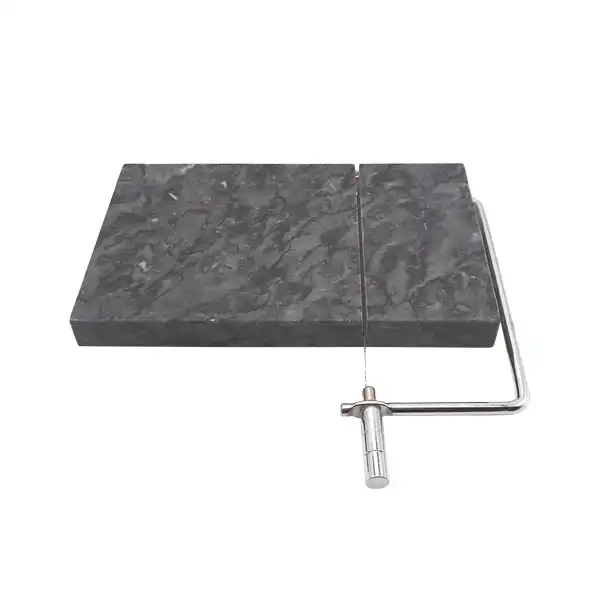
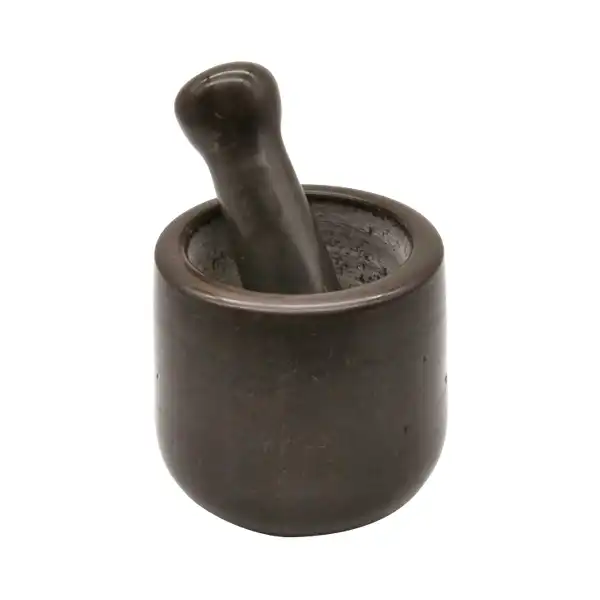
For those interested in exploring high-quality marble cake stands and other stone products, Xian Metals & Minerals Import & Export Co., Ltd. offers a wide range of options. With over 16 years of experience in stone processing, they provide custom solutions to meet various needs. Their product line includes not only cake stands but also mortar and pestles, cutting boards, and various other stone kitchenware. For more information or inquiries, you can reach out to them at [email protected].
References
1. Smith, J. (2020). The Art of Cake Presentation: A Guide to Choosing the Perfect Stand. Baking World Magazine, 15(3), 45-52.
2. Johnson, A. (2019). Material Matters: Exploring the Impact of Base Materials on Cake Stand Performance. Journal of Culinary Equipment, 8(2), 112-125.
3. Brown, L. & White, T. (2021). Maintenance and Care for Mixed-Material Kitchenware. Home Goods Quarterly, 32(4), 78-86.
4. Davis, R. (2018). The Renaissance of Marble in Modern Kitchens. Interior Design Today, 25(1), 30-38.
5. Thompson, E. (2022). Sustainability in Kitchenware: Comparing Wood and Metal Bases. Eco-Friendly Living, 12(6), 95-103.
6. Lee, S. & Park, H. (2020). Temperature Control in Food Presentation: A Study of Different Stand Materials. Culinary Science Journal, 17(3), 210-222.
Related Industry Knowledge
- Is Marble Good for Mortar and Pestle?
- Marble Pedestal Bowl with Base: Stability and Aesthetic Impact
- How Heavy Should a Marble Paper Towel Holder Be for Stability?
- White Marble Serving Tray with Handles: Pros & Styles
- How Do Mortar and Pestle Sets Compare to Electric Spice Grinders?
- Are Handles Necessary on White Marble Cheese Boards?
- What Size Granite Rolling Pin is Best?
- What Are the Advantages of Using a Marble Board and Rolling Pin?
- Why Do Bakers Prefer Custom Marble Pastry Board?
- What Are Common Flaws and Repairs in Vintage Marble Rolling Pins?