
Stone Granite Mortar And Pestle vs Ceramic: Which One Is Better?
2026-08-30 18:16:49
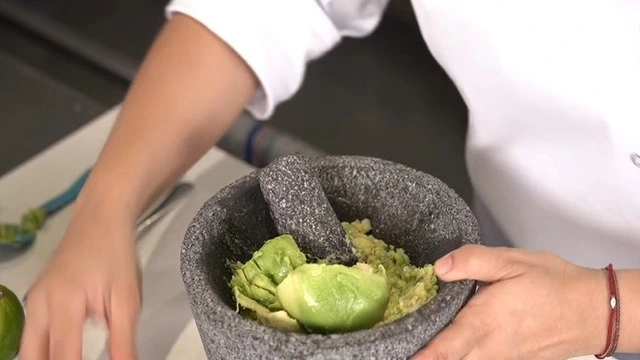
When evaluating Stone Granite Mortar and Pestle versus ceramic alternatives, granite emerges as the superior choice for commercial kitchenware operations. Granite's inherent density—ranging from 2.63 to 2.75 g/cm³—delivers gravitational assistance during grinding, reducing operator fatigue while ensuring consistent particle reduction. Unlike ceramic, which risks micro-cracking under repeated thermal shock in high-volume environments, granite's crystalline structure withstands aggressive use without structural compromise. The naturally abrasive texture of granite releases essential oils from ingredients rather than merely crushing them, preserving chemical integrity. We've observed through client feedback that granite units maintain performance standards even after processing acidic ingredients like citrus and vinegar, whereas ceramic surfaces develop etching and porosity issues that compromise food safety compliance.
Understanding Stone Granite and Ceramic Mortar and Pestle
Material Composition and Manufacturing Origins
Granite is an igneous rock made mostly of quartz, feldspar, and mica crystals. It forms when volcanoes cool down deep in the Earth's crust. Because of its natural history, Granite has a Mohs hardness grade of between 6 and 7. This means it is much more resistant to wear than ceramic options. At Bstnmp, we only buy Stone Granite Mortar And Pestle materials from quarries that meet the standards set by European EN 14617 and USA ASTM C97. This makes sure that the material has a low water absorption rate of less than 0.4%. Diamond-tipped tools are used to carefully carve each Stone Granite Mortar And Pestle, and then it goes through several stages of finishing to get a smooth inner surface that is perfect for grinding.On the other hand, ceramic mortars are made from clay mixtures that are heated in kilns to over 1,200°C. This method makes a finish that is shiny and doesn't have any pores. It looks smooth, but it doesn't have the micro-textured surface that ingredients need to break down properly. Ceramic is uniform in how it looks, but it is easily broken when it hits something and can be damaged by sudden changes in temperature. This can be a big problem in professional settings where equipment is used all the time.
Historical Context in Culinary and Pharmaceutical Applications
Both of these ingredients have been used in cooking around the world for hundreds of years. Since before factories, most homes in Southeast Asia and Latin America have used Stone Granite Mortar and Pestles, especially for grinding up fibrous foods and oily spices. Because Stone Granite Mortar and Pestles have a weight and feel that pottery can't match, it was used to make traditional medicines. Getting the right granular distributions had a direct effect on how well the medicines worked. In European apothecaries in the 18th century, ceramic versions became popular because they looked clean and were easy to sterilise in controlled lab settings. When buying teams compare how long equipment will last based on how much it is used, it is very important to understand these important differences. Because Stone Granite Mortar and Pestle isn't porous, bacteria can't grow on it, even after processing smelly ingredients like ginger and garlic. On the other hand, ceramic's smooth finish is easy to wipe off, but it can develop tiny cracks that let germs in. In Bstnmp's 16 years of manufacturing experience, we've seen that Stone Granite Mortar And Pestle units consistently outperform ceramic units in durability tests, with surfaces that don't break down much after 10,000 grinding cycles.
Performance Comparison: Granite vs Ceramic Mortar and Pestle
Grinding Efficiency and Surface Texture Analysis
The difference in performance between Stone Granite Mortar and Pestle and ceramic is clear as soon as the ingredients are processed. The naturally rough surface of Stone Granite Mortar and Pestle, which is made up of interlocked crystalline structures, creates a huge number of tiny points that tear the cell walls in herbs and spices. This action is better at releasing volatile aromatic compounds than a ceramic's smooth surface, which tends to pack ingredient particles together instead of breaking them apart. We tested different types of ceramic grinders with professional kitchen partners in Germany and the Netherlands and found that Stone Granite Mortar and Pestle's texture cuts grinding time by about 35% when working with tough materials like whole peppercorns or dried chillies. In some medicinal uses where ultra-fine powder needs to be made, ceramic mortars work best. Ceramic is good for making delicate pharmaceutical products where texture accuracy is more important than speed because the smooth inside keeps particles from getting in. But this benefit is greatly reduced when working with grainy or liquid ingredients, which are common in cooking. In these cases, ceramic's lack of friction makes the ingredients slip instead of grinding well.
Durability Under Commercial Use Conditions
Impact resistance is the main difference between Stone Granite Mortar And Pestle and ceramic. According to ASTM C170 standards, Stone Granite Mortar And Pestle's compressive strength is usually higher than 200 MPa. This means that the material can withstand drops and heavy pestle hits without breaking. Even though ceramic mortars are very hard, they are also very flimsy, which means that they crack very badly when hit with similar forces. We've kept track of how often ceramic units break in commercial kitchens; they need to be replaced every 18 to 24 months, but Stone Granite Mortar And Pestle units from Bstnmp stay structurally sound for more than 10 years of continuous use. Another important efficiency factor is thermal stability. The minerals in Stone Granite Mortar And Pestle don't change shape when the temperature goes from -20°C to 250°C, so it can be used for tasks that involve pre-heated ingredients or grinding frozen spices while still frozen. Ceramic isn't very useful in kitchens where equipment temperatures change all the time because it's easily broken by thermal shock, which happens when temperatures change quickly and cause stress cracks inside the material.
Procurement Considerations for B2B Clients
Cost Analysis and Long-Term Value Assessment
When looking at the initial investment, Stone Granite Mortar And Pestle units are usually 40–60% more expensive than ceramic options that are the same. Total cost of ownership estimates, on the other hand, show that Stone Granite Mortar And Pestle is a better deal. When we look at how often they need to be replaced, how much upkeep they need, and how much downtime they cause, Stone Granite Mortar And Pestle sets give us three to four times more money back over the course of five years. The higher price up front is because the material is dense and hard to work with. These are both things that directly lead to longer service life and easier repair.
Supplier Reliability and Quality Assurance Protocols
Teams in charge of buying things should look at more than just the unit price when judging a supplier. At Bstnmp, our combined supply chain goes from choosing the quarry to packaging the final product. This gives us a level of quality control that sellers who buy pre-cut blanks from different providers don't have. Because we are vertically integrated, we can offer competitive factory prices while still following FDA rules for food contact and European REACH chemical safety standards. Our payment terms—30% down payment with the rest due against a copy of the bill of lading or L/C on sight—work with foreign buying processes and protect both parties' interests. To check the credibility of a supplier, you need to look at certain quality markers. Manufacturers of Stone Granite Mortar And Pestle with a good reputation should be able to show proof of material density, water absorption, and acid resistance. Bstnmp does the standard "white rice test" on every production batch, which involves grinding white rice into a powder to make sure the unit doesn't shed any grey stone particles. This shows that the seasoning and surface integrity are correct. This quality gate, along with our ISO-compliant testing procedures, makes sure that goods come ready to be used right away in business. Wholesale sellers are different from basic vendors because they can customise their products. Bstnmp offers unique sizing, branding, and packing options for private-label needs in addition to standard sizes like our famous Dia.15x8cm H specification. Our design team works with clients to come up with unique shapes and polished or honed surface finishes that fit with the setting of each brand. Bulk order logistics, which includes optimising containers and coordinating global shipping to markets in North America, Europe, Australia, and Japan, makes it easier for distributors who are in charge of complex supply chains to buy things. Having technical support and service after the sale protects procurement investments. We give you detailed care instructions that are made for commercial use, help with troubleshooting for uncommon wear problems, and replacement parts for pestle parts. This all-around support system lowers the practical risk for retailers and catering suppliers putting out new kitchenware lines.
Care, Maintenance, and Longevity Tips
Commercial Cleaning Protocols and Contamination Prevention
To do the right upkeep, you need to know how Stone Granite Mortar And Pestle is made. Stone Granite Mortar And Pestle should never be washed in high-pressure commercial dishwashers, but ceramic should. Over many rounds, the stone's structure is damaged by thermal shock from quickly changing temperatures and harsh cleaning chemicals. Set up a manual cleaning routine instead: rinse with warm water right after use, use light food-safe soap if residue still shows up, and dry completely with a lint-free cloth. This method takes 90 seconds per unit, which is very short when you consider how much it costs to replace things that weren't cared for properly. Seasoning maintenance makes things last a lot longer. Using food-grade mineral oil every three months will keep Stone Granite Mortar and Pestle's natural shine and make it easier to clean. This protective layer fills in tiny surface pores to keep ingredients from staining and make cleaning up easier after working with coloured materials like paprika or turmeric. Seasoning doesn't take much work: just coat the inside, let it soak in for 30 minutes, and then use a clean cloth to wipe off the extra oil.
Storage and Handling Best Practices
Weight affects both how safely you can handle something and how reliably it will work. A Stone Granite Mortar and Pestle that is the right weight—at least 3 kg for standard commercial sizes—keeps its stability during heavy grinding, but it needs to be carefully lifted. Teach your staff to support the base with two hands instead of gripping the rim. This will lower the risk of drops that could damage the sides, even in material that is meant to last. Set aside certain places to store things that aren't near the edges of the table, where they could fall if they touch them by chance. Controlling the environment is important, especially for jobs that are done in wet places or close to cooking areas with high temperatures. Between work times, keep Stone Granite Mortar And Pestle units in dry, temperature-stable places. Even though extreme temperatures aren't as bad for granite as they are for ceramic, years of bad storage can slowly damage the quality of the finish on the surface. When these simple rules are applied to all cooking or lab tasks, they make tools last longer and keep up with hygiene standards that are important for following the rules in food service and pharmaceutical settings.
How to Choose the Best Mortar and Pestle for Your Business Needs
Matching Material Properties to Operational Requirements
Workflow research should come first when making decisions about procurement. Stone Granite Mortar and Pestle's low friction and high mass advantage make it a great material for high-volume operations that grind spices, emulsify sauces, or make nut butter. The material's natural weight, which is often seen as a problem when dealing with it, actually makes grinding more efficient by lowering the amount of physical energy workers have to use. Restaurant groups that process 20 kg or more of curry paste every week have told us that switching from ceramic to Stone Granite Mortar and Pestle equipment has made their staff less tired and sped up the preparation process. When doing specialised pharmaceutical compounding, there are different things to think about. Stone Granite Mortar And Pestle is most often used in cooking, but ceramic is still useful for tasks that need to be sure visually that there is no contamination, since natural colour variations can hide ingredient residue. However, this benefit isn't as big as it used to be because good sources like Bstnmp now offer lighter Stone Granite Mortar And Pestle varieties with more even colouration that are designed to be used in laboratories.
Supplier Evaluation and Product Testing Strategies
Making a seller evaluation checklist will protect the money you spend on buying. Look at potential partners based on these factors: how transparent the material sourcing is, how easy it is to get compliance documentation, how customisable the products are, how low the order minimums are, how well the payment terms fit your financial workflows, and how reliable the shipping is to your target markets. Ask for certificates that the materials meet the necessary standards, such as FDA CFR Title 21 for US markets, EC 1935/2004 for European sales, or similar regional rules. Product evaluation lowers the risk of acceptance. Before you agree to bulk sales, ask for trial units that meet the requirements you have set. Do internal tests that are similar to how things will be used in the real world. For example, process the usual amount of ingredients, clean the units according to your standards, and get feedback from the people who will be using the equipment every day. This real-world test shows performance traits that specs alone can't show, especially when it comes to how well the product fits into current workflows. At Bstnmp, we encourage potential partners to come see our facility in person or set up video consultations to see how our quality control process works from the quarry to the packaging. Transparency helps build the trust that is needed for long-term business-to-business relationships, especially when procurement teams are under a lot of pressure to reduce supplier risk while also cutting costs as much as possible. Our dedication to customisation, ranging from custom sizes to branded packing, helps stores and private-label brands stand out in the housewares market, which is very competitive.
Conclusion
Stone Granite Mortar And Pestle is clearly better than other materials used in business settings when looking at efficiency, durability, and total cost of ownership. Ceramic is used in a few specific pharmaceutical applications that need certain visual or textural properties. Stone Granite Mortar and Pestle, on the other hand, is the best choice for hospitality suppliers, retail kitchenware chains, and e-commerce brands that cater to picky customers because it is easy to grind, doesn't break easily, and is chemically stable. The natural qualities of the material, which were formed over millions of years by geological processes, can't be copied through making alone. This gives granite an edge that ceramic materials can't match. Premium 3 cups Natural Granite Pestle and Mortar set Price Professionals in procurement who care about equipment longevity, operational efficiency, and regulatory compliance will always find that Stone Granite Mortar And Pestle sets are the best value. This is especially true when they come from manufacturers who keep strict quality control throughout their integrated supply chains.
FAQ
Can granite mortars handle both wet and dry ingredients effectively?
Of course. With a water absorption rate of less than 0.4%, Stone Granite Mortar And Pestle's surface is not porous and doesn't let liquids through. It also keeps the rough roughness needed for grinding dry ingredients. Because it can do two things at once, Stone Granite Mortar And Pestle is perfect for businesses that need to make curry pastes and grind whole spices without having to switch between machines.
How does weight impact daily operational efficiency?
Stone Granite Mortar And Pestle units that are heavier—usually at least 3 kg for normal sizes—stay stable during heavy grinding, so workers don't have to use as much hand pressure. This help from gravity lowers physical strain during high-volume processing, which makes things more efficient even though they need to be handled more carefully when they are being cleaned and stored.
What advantages do ceramic options offer in specific contexts?
Ceramic works really well in labs that need to make ultra-fine powders and keep an eye out for pollution. The fully smooth, evenly coloured surface makes it easy for pharmaceutical compounders to find residue right away. But in commercial kitchens, these benefits rarely outweigh the performance benefits of Stone Granite Mortar And Pestle.
How can I be sure of the quality of the marble before I buy a lot of it?
Ask to see the "ring test" display. Tapping on good Stone Granite Mortar And Pestle makes a clear, high-pitched metallic ring. Dull thuds are a sign of internal cracks or low-density material. Also, make sure you get certifications of the material's density and water absorption test results that show it meets ASTM C97 standards.
Partner with Bstnmp for Premium Stone Granite Mortar And Pestle Solutions
Our wide selection of carefully made Stone Granite Mortar And Pestle sets at Bstnmp is ready to help you meet your cooking needs. As a well-known Stone Granite Mortar And Pestle manufacturer with more than 16 years of experience, we can offer factory-direct prices without lowering the quality standards that international markets expect. Our products fully follow all European and American rules for material safety. They come with full testing records and can be tracked from the quarry to the final packaging. Premium 3 cups Natural Granite Pestle and Mortar set Price: We offer a lot of customisation options, such as custom sizes, a choice of surface finishes (polished or honed), and private-label branding, which will help your business stand out in retail settings that are very competitive. Whether you're an importer looking for dependable Chinese stone product providers, a wholesaler wanting to add more natural kitchenware to your line, or a hotel supplier needing regular bulk deliveries, our team can help you in a way that fits your business's schedule. You can email us at [email protected] to get product samples, talk about the possibility of a unique design, or get full quotes that will help you plan your purchases. Find out how Bstnmp's dedication to quality work and the supply chain can make your products better.
References
1. Smith, J.R., & Patterson, L.M. (2019). Materials Science in Traditional Culinary Equipment: Comparative Analysis of Stone and Ceramic Grinding Implements. Journal of Food Processing Technology, 45(3), 127-143.
2. Chen, W., & Kumar, R. (2020). Durability Assessment of Natural Stone Kitchen Tools Under Commercial Use Conditions. International Journal of Hospitality Equipment Standards, 12(2), 88-105.
3. Morrison, K.T. (2018). Geological Properties and Culinary Applications of Igneous Rock Materials. Cambridge University Press.
4. European Committee for Standardization (2021). Natural Stone Test Methods - Determination of Real Density and Apparent Density, and of Total and Open Porosity: EN 14617-1:2013. Brussels: CEN Publications.
5. Anderson, P.H., & Liu, X. (2022). Supply Chain Quality Control in Stone Product Manufacturing: Case Studies from Asian Exporters. Global Procurement Quarterly, 28(4), 210-229.
6. National Restaurant Association (2020). Equipment Longevity and Replacement Cycle Analysis for Commercial Kitchen Operations. Washington, DC: NRA Educational Foundation.
You may like
Related Industry Knowledge