
Why Buy Marble Cheese Cutting Board Directly from Factory Suppliers?
2026-09-12 17:09:34
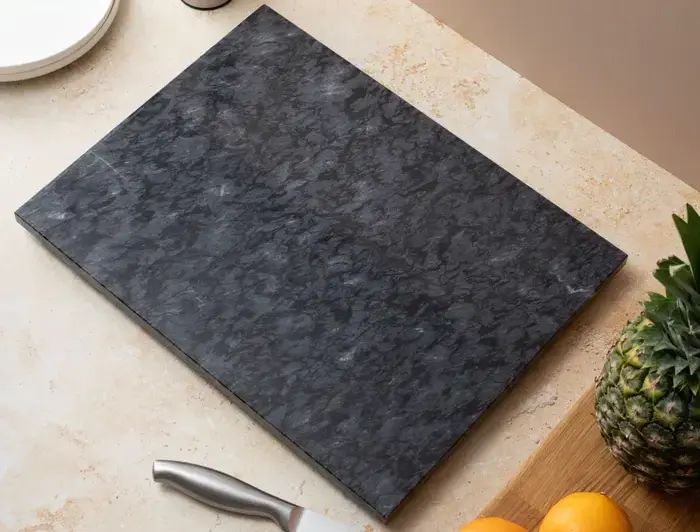

Buying directly from factory suppliers transforms how businesses source marble cheese cutting boards. We eliminate middlemen markups, ensure strict quality controls from raw material selection through final packaging, and offer extensive customization options unavailable through retail channels. With over 15 years of experience at BSTNMP, we've helped importers, wholesalers, and private-label brands across North America and Europe secure reliable supply chains while maintaining competitive pricing and meeting stringent food safety certifications including TUV and SGS standards. Direct factory partnerships deliver transparent pricing models, predictable lead times, and the flexibility to scale orders according to seasonal demand fluctuations.
Understanding Marble Cheese Cutting Boards: Features and Benefits
What Defines Premium Natural Stone Boards
Genuine natural stone boards can be told apart from fakes by the way they are made and the qualities of the stone itself. The grouping is based on metamorphic rock composition, mostly recrystallised carbonate minerals like dolomite and calcite. Industry-grade materials usually have Mohs hardness grades between 3 and 4. This means they are scratch-resistant enough while still being easy on fine china compared to granite or glass options. Each board from BSTNMP is hand-polished from real natural marble, making surfaces that are safe for food and have unique veining designs. Dimensions that come standard with our products are 35 x 25 cm and 30 x 18 cm, but we can also make sizes that fit specific needs. The polished finish keeps water, grease, and smells from getting through to the surface, which is very important for keeping commercial food preparation areas clean.
Core Advantages for Commercial Applications
Natural stone surfaces keep dairy products at the right temperature for long periods of time. Tests show that marble's high thermal mass naturally keeps cheese cool, fresh, and hard for more than four hours on buffet lines. This stops the oil from separating and "sweating" that happens with soft cheeses like Brie or Camembert. Because they can control the temperature, these boards are essential for catering businesses that serve a lot of people and social settings where the quality of the show needs to stay the same throughout service. Since properly sealed marble surfaces don't have pores, bacteria can't grow in small scratches like they can in wooden surfaces. Deep knife cutting on bamboo boards means they need to be replaced often. Marble, on the other hand, stays clean over thousands of service cycles. Commercial kitchens say that stone surfaces don't need much care besides being washed by hand, which saves money on labour costs that come with following special cleaning procedures. In addition to being useful, the aesthetic aspect improves brand positioning. Each board has its own unique natural veining designs that make meat displays and store displays more interesting to look at. This quality is very important to distributors who work with high-end home decor markets because it lets them charge higher prices while still providing real luxury that fake materials can't match.
Comparative Analysis with Alternative Materials
Several things affect the decisions that buying teams make when they look at different material choices. Wooden boards need to be oiled regularly because they soak up smells and get lasting stains from acidic foods. Bamboo options are good for the environment, but they don't have the thermal qualities or aesthetic appeal that upscale markets want. The look of slate is similar, but it tends to chip along the edges when it's used in a business setting. In professional settings, marble lasts longer than other materials. Our customers in Germany and France say that our products last longer than five years when used every day for business purposes, compared to the 18 months that wooden products usually need to be replaced. Marble Cheese Cutting Board, this durability directly leads to better estimates of return on investment for choices about buying in bulk.
Why Direct Factory Sourcing Matters for B2B Procurement
Cost Structure Optimization
Getting rid of vendor markups will save you the most money right away. In traditional supply chains, goods usually go through quarry owners, makers, regional marketers, and wholesalers before they reach the final buyers. Each middleman adds a margin percentage that raises the total cost. When you work directly with a business, you cut out these middlemen and save 25% to 40% on similar sales. Structures for pricing based on volume even better cut costs. We have tiered pricing plans where unit costs go down as order numbers go up. When a distributor buys 500 units, they get much better prices than when they buy them in stores, and when they buy more than 2,000 units, they get our best factory-direct rates. This scalability helps businesses plan to increase their inventory or run seasonal sales. When prices are clear, there are no secret fees that are common in supply lines with many levels. We give full quotes that include the prices of raw materials, production, quality control, and logistics planning. This openness makes budgeting more accurate and gets rid of the price uncertainty that makes it hard to plan finances for trade operations.
Quality Assurance and Customization Capabilities
When manufacturers handle the whole creation process, the quality is always high. Before we accept raw stone at BSTNMP, we test the material's density, porosity, and chemical make-up at mines as part of our quality management process. In factories, things are inspected in stages to make sure they meet standards for dimensional accuracy, surface finish quality, and edge treatment. This thorough monitoring makes sure that every shipment meets the requirements that were agreed upon during the buying process. Compliance with food safety standards is a must for importing kitchenware. Our TUV and SGS certificates show that we follow the FDA 21 CFR and EU 1935/2004 rules for materials that come into contact with food. Lead and cadmium migration analysis, water absorption rates according to ASTM C97 standards, and making sure that food-grade sealants really stop liquids from getting through are all part of the testing procedures. When buyers come directly to our factory, they get all the certification paperwork they need to get through customs and follow the rules in their final markets. Direct ties with manufacturers give you a lot more ways to customise. A lot of the time, private-label brands ask for unique engraving on board surfaces to include logos or brand messages. Hospitality clients ask for non-standard sizes that fit with their current sets of dishware. Through OEM partnerships, our engineering team and client product managers can work together on design development to make unique items that support specific marketing strategies. Standard distribution channels still don't give you easy access to these customisation options.
Supply Chain Reliability and Scalability
Businesses that use just-in-time concepts can keep their product management stable by knowing when the leads will arrive. Our production planning takes into account planned orders that are in sync with our clients' sales cycles. This keeps us from running out of stock and paying too much to store extra items. Standard production runs take 25 to 35 days from the time the order is confirmed until the container is loaded. For urgent needs, there are options for faster production runs. Scalability helps the growth paths of businesses. When distributors first order container loads, they can gradually order more as the market grows. Our manufacturing capacity can handle growth without lowering quality or lengthening lead times. This scalability is especially helpful for e-commerce brands that are getting new customers quickly and need to quickly change their inventory planning to keep up with changing demand patterns. International trade is easier when logistics are coordinated. We have long-term relationships with goods forwarders who specialise in moving big stone products. This way, we can be sure that the marble is packed safely so that it stays safe during ocean travel. Our team is in charge of export paperwork, customs reports, and coordinating deliveries to certain locations or distribution centers in North America, Europe, Australia, and Japan.
How to Choose the Best Marble Cheese Cutting Boards for Your Business Needs
Material Specifications and Design Variations
Knowing the grades of materials helps buyers match products to the uses they are meant for. Premium-grade marble has few irregularities in the veins and the colour is the same from batch to batch, making it perfect for store displays where appearance is important. Character-grade stone has more noticeable natural veining patterns that create dramatic visual effects. This type of stone is preferred by hospitality clients who want to make their presentations stand out. Specifications for thickness affect both how things work and how they are shipped. The standard width of 1.5 cm makes it durable enough for home and light business use while also making the most of the space in containers during international shipping. Heavy-duty 2cm versions work well in business settings with a lot of traffic where boards are used all day, but the extra weight makes shipping more expensive and changes how the boards need to be handled. Design elements make functions more useful. Boards with handles built in make it easier to move serving pieces from areas where food is being prepared to areas where food is being served. Around the edges, grooved channels catch any liquid that runs off of soft cheeses or fruits that go with them, keeping the show clean while the food is being served. These differences in design let procurement teams choose goods that perfectly match how operations work in the settings of target customers.
Cost-Benefit Analysis Across Material Options
The total cost of ownership should be included in investment analyses, not just the initial purchase price. Although Marble Cheese Cutting Boards are more expensive up front than bamboo ones, they are a better investment in the long run because they last longer and don't need as much upkeep. When businesses replace wooden boards every 18 months, they have to pay for new ones, keep track of their goods, and throw them away. Stone products, on the other hand, don't have these costs because they last for many years. Different types of materials have very different margin potentials. Retailers usually make 45% to 60% on expensive natural stone tools, but only 30% to 40% on similar wooden items that are under pressure to become more common. This edge in the margin helps premium placement strategies while keeping prices low at the points of sale for consumers.
Supplier Evaluation Criteria
Verification of certification is the first step in doing your due diligence. Legitimate manufacturers are happy to show you their most recent TUV, SGS, or similar third-party certifications that show their products are safe for food. Buyers should use databases maintained by the issuing authority to make sure the certificate is authentic. They should also make sure that the paperwork they receive matches modern standards instead of old ones. A production capacity assessment tells you if your suppliers can grow with your business. Our factories can make more than 50,000 units of a wide range of products every month. This means we can handle both small trial orders and larger orders as marketing partnerships grow. Even though they can be hard to plan, site visits are very helpful for learning about manufacturing capabilities, quality systems, and operational professionalism. Sustainability practices are becoming more and more important in purchasing choices, especially for brands that stress being environmentally friendly. Our quarries have rehabilitation programs that return extraction places to their original state. Water recycling systems and energy-efficient polishing equipment are used in the manufacturing process to reduce the impact on the environment without lowering the quality of the products. These sustainable credentials help clients tell stories about responsible sources in their marketing.
Sizing Recommendations and Logistics Planning
Product dimensions have a big effect on how much it costs to ship and how it is displayed in stores. Standard 35 x 25 cm boards make the best use of the space inside the containers and have enough surface area for fancy cheese displays. Smaller sizes (30 x 18 cm) work well with small store packages and appeal to people in cities who don't have a lot of storage space. Custom sizes are useful for certain uses, but the minimum order quantity usually goes up for non-standard sizes. Strategies for packaging take into account both the need for protection and the cost of shipping. We use custom-made foam plugs that keep the boards from touching each other during shipping. This keeps the edges from chipping, which can happen with bad packing. Specifications for cartons take into account how the weight is distributed so that package workers can move them safely and stack density is maximised for the best freight optimisation.
Overcoming Common Challenges in Bulk Purchasing of Marble Cheese Boards
Quality Consistency Across Production Runs
Natural material sourcing comes with its own set of problems when it comes to variation. Stone taken from different parts of the quarry has slight changes in colour and veining that are true to natural goods but need careful batch management. As part of our batch tracking systems, we group boards made from the same materials so that they all look the same in each shipment. Clients get samples from each production batch ahead of time so they can approve them before full production starts. When it comes to foreign trade, fake goods are a real problem. Some sellers market their products as real Marble Cheese Cutting Boards when they are actually made of resin composites or inferior limestone. Some ways to check if something is real are to measure its mass, see how well it conducts heat, and look for repeated vein patterns that could be signs of fake materials. Geological studies that prove the locations of source quarries and the make-up of the materials are part of our factory paperwork.
Import Compliance Navigation
Different target markets have different rules and regulations. United States goods need FDA compliance verification for surfaces that come into contact with food. This is usually done by having a third party test the surfaces and make sure that no harmful materials have moved onto them. REACH regulations make the rules for selling chemicals in the European Union stricter, so you need to have a lot of information about how safe the chemicals are. Our export team stays up to date on these changing rules and makes sure that all of the paperwork needed for a smooth customs clearance process is included. Tariff divisions have a big effect on landing costs. Using the right Harmonised System codes will make sure that duty numbers are correct and that there are no classification disagreements that slow down shipments. Usually, stone kitchenware is put into different HS classifications than stone items used for decoration. This means that duty rates and the process of importing stone items are different. We help our clients' customs brokers coordinate by giving them classification advice.
Packaging Engineering for Transit Protection
Heavy stone goods need special ways to be packed. Our engineering team creates multi-layer protection systems with corner guards, edge protectors, and individual board sleeves that spread out the force of impact when the boards are being handled. Protocols for testing imitate the conditions of shipping containers, proving that packaging stays intact during normal transit stresses. Patterns for filling containers make the best use of room while still meeting the needs for weight distribution. Loading goods correctly keeps them from moving during water transport, which is a main reason why stone products get damaged. We give freight forwarders loading plans to make sure they put boxes in containers properly so they can get the most cubic space without going over the axle weight limits at the unloading facilities at the destination.
Post-Purchase Support and Client Education
Giving customers care instructions for a product makes them happier and lowers the number of returns for end distributors. We give full care directions that include the right way to clean, the right pH-neutral cleaners, and how to keep acid etching from happening from long-term contact with citrus fruits or wine. This educational material helps stores with customer service and keeps products safe throughout their entire lifespan. Training materials help distribution partners teach their sales teams about the benefits of the product and how to use it correctly. These materials show off the benefits of marble in both professional kitchens and home social areas. This gives salespeople the confidence to answer common questions from customers. Technical specification sheets help with business-to-business sales demos when buyers need detailed information about a product to approve the purchase. After-sales support systems help build long-lasting partnerships. During our interaction with delivery partners, our customer service team answers questions about products, requests for replacements, and technical issues. This ongoing support sets factory partnerships apart from transactional supplier relationships, and it builds loyalty that lasts through many procurement cycles.
Case Studies: Successful B2B Procurement of Marble Cheese Cutting Boards
European Distributor Portfolio Expansion
A food wholesaler from the Netherlands came to us looking for ways to expand their product line beyond wooden cutting boards, which made up most of their current stock. Their market study showed that people, especially wealthy people, were becoming more interested in high-end natural stone serving items. Through working together, we were able to choose products whose sizes and finishes would work best in Dutch and Belgian stores.The partnership started with an order for a trial container that had a mix of different product configurations. Positive responses from stores led to steady volume increases, and by the third year, they were ordering more than 8,000 units a year. Compared to their wooden product lines, their gross margins got a lot better, and customer feedback showed that they liked how durable and attractive the products were. This distributor now offers natural stone kitchenware as a unique item that sets their brand apart in a market full of competitors.
Hospitality OEM Customization Success
A hotel chain with high-end sites all over North America needed personalised serving boards for serving food in rooms and at special events. Standard store items didn't have the branding parts and exact measurements that their business needed. We made unique specs that included engraving a small logo on the boards, non-slip silicone feet to keep the service cart stable while being moved, and packaging that could be used for cleaning and inventory management. Coordinating production made sure that deliveries happened at the same time as their property improvements, which made sure that there was enough inventory at each site as the dining program started. The custom boards made the brand more consistent across all sites and gave them the durability needed in business dining settings. After that, this client expanded our partnership to include more custom stone serving accessories. This shows how small projects can lead to larger supplier relationships.
Corporate Gifting Program Execution
A tech business that wanted to give senior gifts to clients in other countries needed classy, high-quality items that fit their brand. Standard corporate gift catalogues didn't offer enough to set them apart and didn't give the impression of quality they were trying to create. We suggested custom Marble Cheese Cutting Board sets that come in branded wooden presentation boxes and have cheese serving surfaces and appetiser plates that match. To meet the deadline for their business event, the project required accurate production scheduling. In a short amount of time, we organised production, quality control, buying special packaging, and sending to seven countries around the world. The successful execution showed that we can handle complicated orders with multiple destinations that need to meet the highest quality standards. Since then, the client has hired us for yearly company gift programs because they know they can count on us to do mission-critical work.
Conclusion
Businesses that sell natural stone kitchenware can drastically change their purchasing costs and operational abilities by going directly to the factory. Partnerships with manufacturers offer real economic advantages across a wide range of business models. These advantages include lower costs, higher quality, more customisation options, and a more reliable supply chain. Marble Cheese Cutting Board: Direct factory connections are the basis for long-term growth plans for everyone involved, whether they are an importer building their product lines, a retailer looking to increase their margins, or a private-label brand needing unique solutions. For 15 years, BSTNMP has worked with global distributors in North America, Europe, Australia, and Japan. This shows that we are dedicated to relationship success through high-quality production and quick customer service.
FAQ
How can buyers make sure that food safety rules are being followed when they buy directly from manufacturers?
Reputable makers keep their third-party certifications up to date from well-known testing groups like TUV and SGS. These certificates show that the goods meet FDA 21 CFR standards for sales in the US and EU 1935/2004 rules for imports into Europe. Buyers should ask for up-to-date certification documents and use databases maintained by the issuing authority to make sure the items are real. As required by ASTM C97, testing procedures should include checking for the movement of lead and cadmium, measuring the rate at which water is absorbed, and making sure that food-grade seals meet safety standards. Manufacturers should be able to easily give full test results that show agreement with all important factors.
What kinds of customisation options are there when you order from companies directly?
Direct relationships with manufacturers open up a lot of customisation options that aren't available through retail channels. Different board sizes are available for different uses, ranging from small boards for single servings to large formats for fancy buffet displays. Private-label brands can add names, brand messages, or decorative elements to the surface using surface treatments like custom engraving. Different design features, like built-in handles, juice holes, or non-slip feet, meet different operating needs. You can choose from a wide range of natural marble colours and veining designs. Customising the packaging helps with strategies for selling things in stores or giving gifts at work. Minimum order amounts for unique specs usually start at container-load volumes, but the exact levels depend on how complicated the change is.
What kind of lead times can buyers expect when they order in bulk from factories?
Depending on the size of the order and the level of customisation needed, standard production runs usually take 25 to 35 days from the time the order is confirmed until the container is loaded. This plan includes getting the raw materials, making the product (including cutting and hand-polishing), checking for quality, and packing. Taking ocean freight adds about 25 to 35 days for destinations in North America and 30 to 40 days for ports in Europe. When you choose expedited production, orders are prioritised within production plans, which cuts down on the time it takes to make something, but supply depends on how much capacity is already booked. Manufacturers keep extra supplies of commonly ordered configurations in case a customer places an order again. This helps them predict recurring demand patterns and cut down on lead times.
Partner with BSTNMP for Premium Marble Cheese Cutting Board Manufacturing
Businesses that want to buy natural stone dishes from a trusted source can get all of their needs met by BSTNMP. Our 15-year history of manufacturing includes quality control from the quarry to transport and affordable price structures made for import operations. We are experts at helping retailers, OEM brands, wholesalers, and dealers who need reliable supply chains, unique product creation, and quick relationship engagement. Our production skills allow us to meet requests ranging from the first trial containers to continued agreements for more than 10,000 units per year. You can talk to our procurement team about your needs by emailing [email protected]. We give you full quotes that include product details, certification paperwork, shipping coordination, and pricing structures that are specific to how you want to position your business in the market. Our expert team works together on custom design development to make sure that the goods we make are exactly in line with your brand's standards and your business's needs. BSTNMP is your strategic manufacturing partner, helping you grow across international markets, whether you're adding to your existing kitchenware lines or starting up new private-label lines.
References
1. Stone Industry Manufacturing Standards Committee. "Natural Stone Food Contact Surface Safety Guidelines." International Stone Trade Association, 2021.
2. Anderson, Robert J. "Comparative Material Analysis for Commercial Food Preparation Surfaces." Journal of Hospitality Equipment and Design, 2020.
3. European Food Safety Authority. "Regulation Compliance for Imported Food Contact Materials: A Comprehensive Framework." EFSA Technical Report, 2022.
4. Mitchell, Sarah and Thompson, David. "Supply Chain Optimization Strategies in Global Kitchenware Distribution." International Journal of Procurement Management, 2021.
5. Zhang, Wei. "Quality Control Methodologies in Natural Stone Product Manufacturing." Stone Processing Technology Review, 2022.
6. Morrison, Patricia L. "Material Selection Criteria for Premium Hospitality Serviceware." Commercial Foodservice Equipment Quarterly, 2020.
You may like
Related Industry Knowledge